
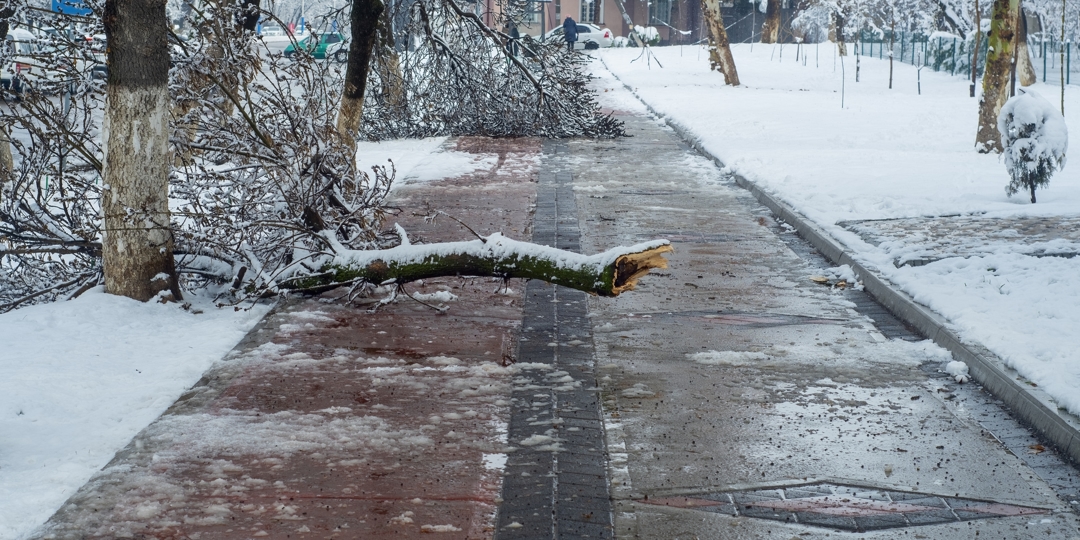
Winter weather is here, and with it comes the ever lurking threat of snow and ice which can cause significant harm to trees and property. All too often, much of the severe tree and property damage that comes with winter storms could have been prevented with foresight and preparation.
Understanding how winter’s elements impact your trees is the first step toward protecting them during the colder months. In this article we will discuss some ways you can prepare your trees for winter weather - and keep your home, property, and loved ones safe from harm caused by winter storm damage.
Head off winter’s threats with structural pruning
One of the most important ways to prevent tree damage from winter storms is to have them professionally pruned. This is critical to improve their structural integrity before winter weather arrives.
Proactively removing deadwood and decayed, weak or poorly attached branches can be invaluable to prevent breakage caused by the immense weight of snow and ice. You can count on Monster’s professional tree pruning services to minimize the risk of tree damage and protect your property from the threat of winter storms.
Additionally, consider periodic tree inspections by Monster’s certified arborists, especially for older or high-value trees, to identify hidden vulnerabilities before winter sets in. This proactive approach not only preserves the health of your trees but also ensures the safety of your property and loved ones during severe winter weather.
Removing snow from trees may do more harm than good
After a heavy winter storm has passed, it may be tempting to remove snow and ice from tree branches. Intervention generally is not a good idea and can put you at risk, as well as cause harm to your trees.
Do not attempt to remove ice by force, such as shaking or striking branches with a rake or shovel, as this can cause further injury to the tree. Instead, it’s usually best to let ice melt on its own naturally. Also stay away from taller trees that are heavily laden with ice and snow, as their branches can fall suddenly and cause serious injury.
In cases where heavy, wet snow accumulates on smaller ornamental evergreens, you can gently shake the snow from the branches or carefully brush off the snow with a broom by sweeping upward. Never brush downward, as you may risk breaking branches that are already bent and stressed. 1
Tie up young trees and evergreens
Young trees and many evergreens – especially arborvitae and junipers - can be vulnerable to breakage and disfiguring damage from the heavy weight of snow and ice. In these cases, stems and branches can be supported by gently tying trunks and branches together into a cone shape which will cause snow to fall away and prevent them from bending or snapping.2
When tying make sure to use soft and flexible materials – flat nylon ties and bungee cords work great. Make sure the ties are not too tight, so you do not break branches or damage the tree’s bark. Also remember to remove the ties once the threat of snow has passed, so the tree can grow freely without being constricted or strangled.
Cover newly planted and cold sensitive trees
Some newly planted or cold sensitive trees and shrubs can be vulnerable to winter damage from ice and snow. For protection, you can cover them with burlap or other breathable materials. This shielding can reduce exposure to harsh winter conditions. For evergreens, be mindful that coverings should be removed after unusually cold winter weather has passed since they still need sunlight to photosynthesize in the winter months.
Mulch to prevent root damage
In extreme winter temperatures, tree roots exposed to ice and freezing cold can suffer damage. To protect roots, apply a 2-3-inch-thick layer of mulch around – but not on top of - the base of your trees and shrubs to help insulate their roots from freezing temperatures. In addition to stabilizing soil temperatures, mulching also conserves soil moisture, protecting roots from drying out during freezing winter weather.
Keep rock salt away from trees
Rock salt can damage trees and surrounding soil by burning roots and drawing away soil moisture. To minimize harm, avoid piling snow that may contain salt near the base of trees, and use alternatives to rock salt, such as sand or clay kitty litter, for traction on icy walkways. If salt exposure is unavoidable, water the area thoroughly in early spring to help flush out accumulated salts from the soil.
Signing up for Monster Tree Service’s Soil Health Program can also give your trees an additional advantage by restoring soil damaged by road salts, incorporating organic matter to buffer out salts and pollutants while rebuilding biology that optimizes the health of your trees.
Inspect trees after storms
After a snow or ice storm, check your trees for any signs of damage or breakage, such as cracked or split branches and trunks. In cases of significantly large broken limbs, Monster’s professional arborists are always ready to come to the rescue, not only removing damage quickly and efficiently, but giving your trees the proper pruning to ensure their future health and safety.
Put your trust in Monster’s Tree Care Experts
The expert arborists and tree care professionals at Monster Tree Service are ready to give your trees an upfront advantage to stay ahead of winter ‘s worst storms. By taking proactive preventative measures, you can protect your property and help your trees withstand the challenges of winter – so that they can emerge to be healthy, beautiful and resilient in all the seasons of the year.
Don’t take a chance on winter storms - protect your trees and the things that matter most to you. Call Monster Tree Service today!